Thinking About Seamless Gutters? Here's the Real Deal.
So, you're considering seamless gutters for your place here in Chapel Hill. Good move. They're a big upgrade from those old sectional gutters you might have, especially with the amount of rain we get around here – sometimes it feels like a monsoon, right? People often ask me, "Can I install seamless gutters myself?" My honest answer? Probably not the 'seamless' part, but there's plenty you can do to prepare and understand the job.
Before the Project: Your Homework Pays Off
First things first, you need to figure out what you're dealing with. Walk around your house. Look at your fascia boards. Are they soft, rotted, or peeling? If so, those need to be fixed *before* any new gutters go up. Gutters are heavy, especially when they're full of water, and they need a solid surface to attach to. Trying to hang new gutters on bad fascia is like building a house on quicksand – it just won't hold.
- Measure Twice, Order Once: You'll need to know your linear footage. Grab a tape measure and go along the eaves where gutters will be. Don't forget downspouts. Count how many you have and where they'll go. Most homes need one downspout for every 30-40 feet of gutter.
- Slope Matters: Gutters need a slight slope, about 1/16 to 1/8 inch for every 10 feet, to properly drain water. This isn't something you can eyeball. It's critical for preventing standing water and mosquito breeding grounds.
- Code Check: Even for gutters, there might be local codes or HOA rules, especially if you're in a historic district like around Franklin Street or a newer development that dictates color schemes. A quick call to the town's planning department or your HOA is always smart.
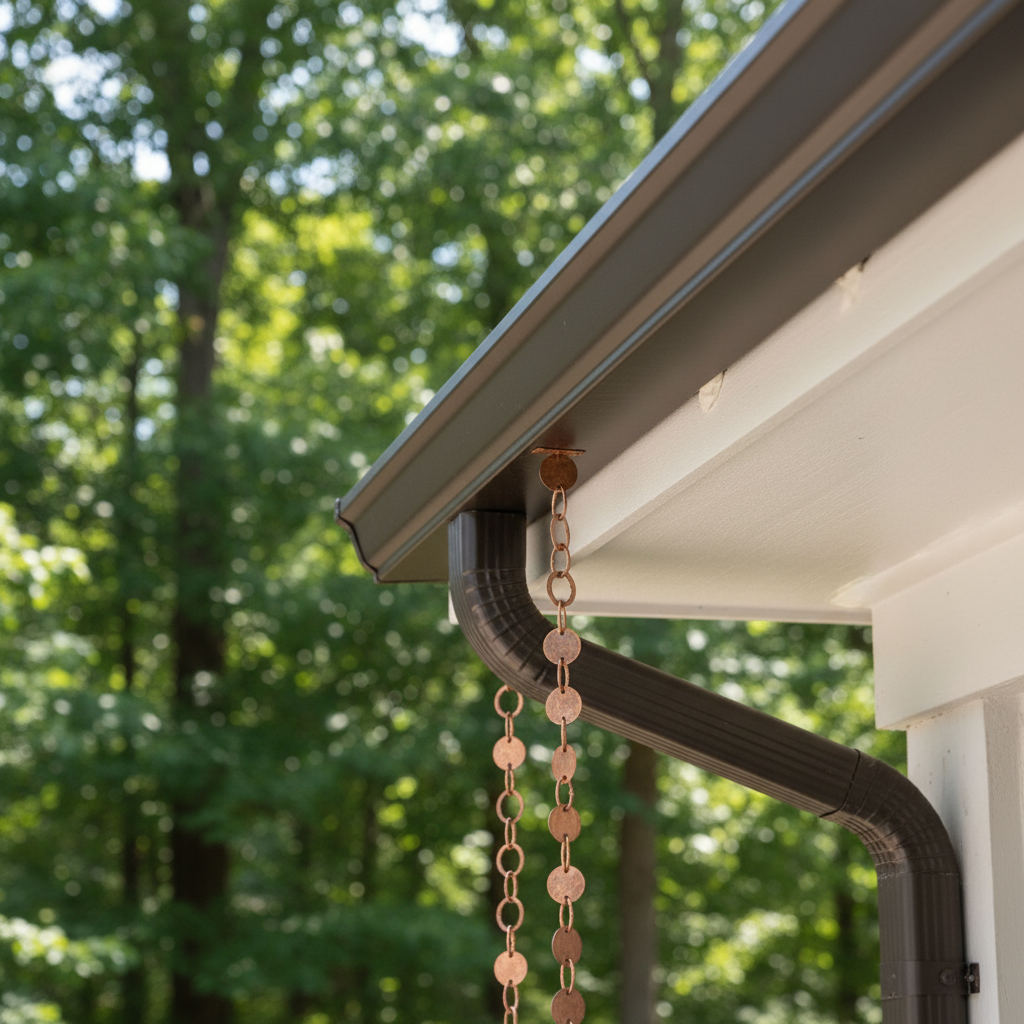
- Material & Color: Aluminum is the most common for seamless, but you can get copper or steel. Think about what matches your home and what kind of maintenance you're willing to do. Aluminum is pretty low-key, which is why most folks go for it.
During Installation: Where DIY Ends and Pros Begin
Here's where the rubber meets the road. The 'seamless' part of seamless gutters means they're custom-fabricated on-site using a special machine that rolls out a continuous piece of metal. You can't just buy 40-foot sections at Lowe's. This machine is expensive, specialized, and requires training to operate. So, unless you're planning to start your own gutter business, this is definitely a job for a professional.
What can you do? You can clear the area. Move patio furniture, trim back bushes, make sure there's clear access all around your house. This helps the installers work efficiently and safely. You can also be there to answer questions about downspout placement or any last-minute decisions.
When Chapel Hill Gutter Solutions comes out, we bring our gutter machine right to your driveway. We measure each run, feed the coil through, and out pops a perfect, custom-length gutter. Then, we attach them with hidden hangers, ensuring a clean look and strong hold. We're also looking at things like proper pitch, making sure your downspouts are directed away from your foundation (crucial with our clay soils that can expand and contract), and sealing all end caps and outlets properly.
After the Project: Keep 'Em Flowing
Once your new seamless gutters are up, your job isn't entirely over. They're low maintenance, but not no maintenance. You'll still need to keep them clean. Especially here in Chapel Hill with all our beautiful trees, those gutters will catch leaves, pine needles, and shingle grit. I recommend checking them at least twice a year – once in late fall after all the leaves are down, and again in late spring. If you've got a lot of oaks or pines nearby, you might need to do it more often.
Look for:
- Any sagging sections or places where water might be pooling.
- Downspouts that are clogged. You can usually tell if water's overflowing from the top or if it's not draining out the bottom.
- Loose hangers or brackets.
- Debris in the gutters themselves.
Cleaning them out is something most homeowners can handle with a sturdy ladder and a pair of gloves. Just be safe up there! If heights aren't your thing, or you've got a really tall house, that's another good time to call in a pro. They can also do a quick inspection to make sure everything's still pitched correctly and sealed tight.
Seamless gutters are a fantastic investment for protecting your home's foundation, siding, and landscaping from water damage. Understanding the process, knowing what you can tackle, and when to bring in the experts makes the whole project go a lot smoother.