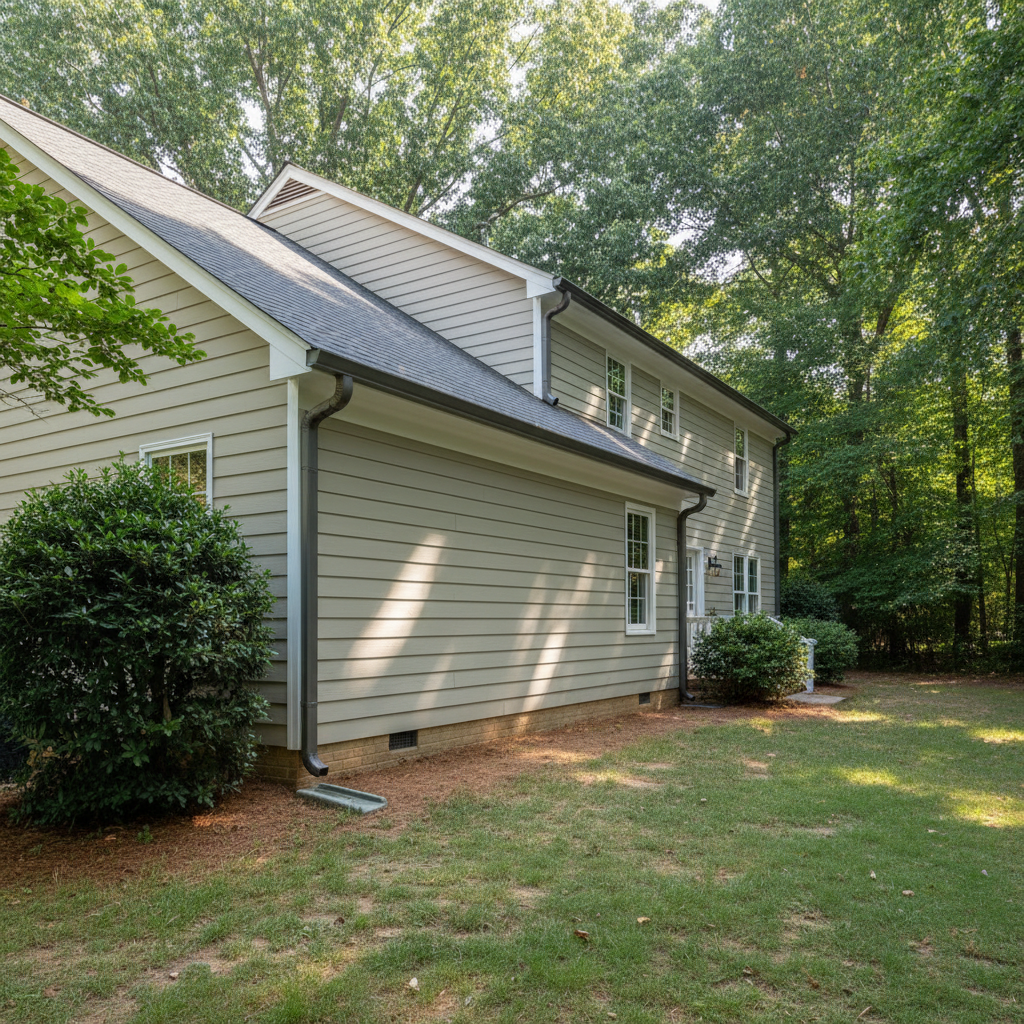
Notice some soft spots or peeling paint on your fascia boards lately? That’s not just an eyesore; it's a sign you've got a repair project on your hands. Neglecting damaged fascia can lead to bigger problems down the line, like rot spreading to your roof decking or rafters, or even critters finding their way into your attic. So, let’s get you ready to tackle it.
Project Timeline: What to Expect
How long does a fascia repair take? It really depends on the extent of the damage. For a few isolated spots, we're usually talking a day or two of actual work. If it's more widespread, say a whole side of your house or multiple sections, it could stretch to three to five days. This isn't just about nailing up new wood; there's prep, removal, installation, and then painting.
Keep in mind, good contractors are busy. From your initial call to getting the work started, you might be looking at a two to four-week lead time, especially during peak seasons like spring and fall here in Chapel Hill when everyone's thinking about home improvements. Don't wait until you see squirrels nesting in your eaves to call.
The Repair Process: From Start to Finish
Once you've got a contractor lined up, here’s what the job typically looks like:
- Assessment and Prep: First, we'll confirm the extent of the damage. Sometimes what looks like a small spot on the surface is a much larger issue underneath. We’ll protect your landscaping, move anything fragile away from the work area, and set up ladders or scaffolding.
- Removal: The damaged fascia boards come off. We're careful here to check for any underlying issues with the sub-fascia or rafter tails. This is where you sometimes find water damage that's been hidden for a while.
- Replacement: New, often pre-primed, fascia boards are cut to size and securely fastened. We make sure they're properly aligned and ready for the next steps.
- Flashing and Drip Edge (if applicable): If your existing flashing or drip edge is compromised, or if it wasn't installed correctly in the first place, this is the time to address it. Proper flashing is crucial for directing water away from the fascia.
- Painting/Finishing: Once the new boards are in, they'll need to be painted to match your home's trim. This usually involves a primer coat and then one or two finish coats. This step is critical for protecting the new wood from our humid North Carolina weather.
- Cleanup: A good contractor will leave your property cleaner than they found it. All old materials and debris should be hauled away.
How to Prepare Your Home
You can help make the process smoother. Before the crew arrives:
- Clear the Perimeter: Move patio furniture, grills, planters, and anything else that's close to your house, especially near the damaged areas. This gives the crew clear access and prevents anything from getting accidentally damaged.
- Trim Landscaping: If you have bushes or trees right up against your house, consider trimming them back a bit. It makes it easier for us to work and protects your plants.
- Secure Pets: Keep your pets indoors or in a secure, enclosed area away from the work zone. There will be noise, ladders, and people moving around.
- Inform Your Neighbors: A quick heads-up to your immediate neighbors about the upcoming work can go a long way. They'll appreciate knowing about the temporary noise or activity.
- Access to Power: We might need access to an outdoor electrical outlet for tools.
Questions to Ask Before You Sign
Don't just go with the first quote. Ask these questions to make sure you're hiring the right team:
- Can you provide references from other Chapel Hill homeowners? You want to know they've done good work for people right here in our community.
- What specific materials will you use? Ask about the type of wood (e.g., cedar, treated pine, composite), primer, and paint. Are they suitable for our climate, especially with the heavy clay soils we have around here that can hold a lot of moisture?
- Is your company licensed and insured? Don't even consider working with someone who isn't. You need to be protected in case of an accident.
- What's included in the warranty? Understand what's covered for both labor and materials, and for how long.
- How do you handle unforeseen issues? Sometimes, we uncover more extensive damage once we start. You need to know how they'll communicate that and what the process is for approving additional work and costs.
- What's the payment schedule? A reputable contractor won't ask for 100% upfront. Expect a deposit, progress payments, and a final payment upon completion and your satisfaction.
- Who will be doing the work? Your employees or subcontractors? It's good to know who's going to be on your property.
Getting your fascia boards repaired is a smart move for your home's longevity and curb appeal. By asking the right questions and preparing properly, you'll ensure a smooth project. If you're in Chapel Hill and need a hand, give Chapel Hill Gutter Solutions a call. We're happy to take a look.